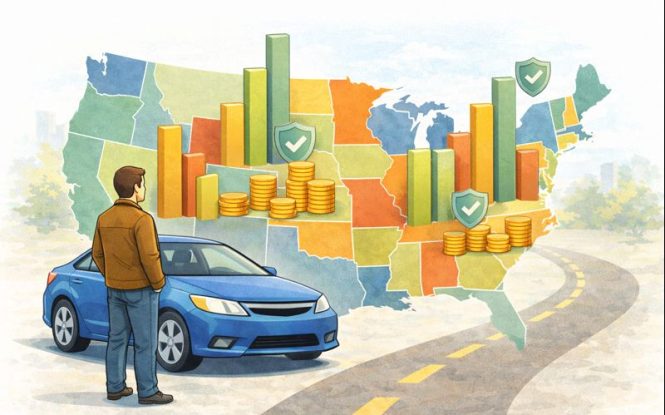

Introduction: Why CJ-60 Insurance Costs Differ Across States
CJ-60 insurance is not priced uniformly across the United States. Many drivers quickly discover that the cost of CJ-60 insurance can vary dramatically depending on where they live, even when their driving record and vehicle type remain the same. This is because CJ-60 insurance is closely tied to state-level laws, risk assessments, and regulatory enforcement, rather than being a simple standardized insurance product.
Understanding CJ-60 insurance cost by state is essential for drivers who are required to carry this filing after a license suspension or other serious driving-related violations. In this guide, we provide a detailed, state-focused breakdown of what affects CJ-60 pricing, why some states are significantly more expensive than others, and how drivers can manage costs while remaining fully compliant.
What Determines CJ-60 Insurance Cost by State?
The cost of CJ-60 insurance is shaped by multiple interconnected factors, most of which are controlled at the state level. Insurance providers calculate premiums based on legal risk, historical data, and compliance obligations.
State Regulatory Requirements
Each state sets its own minimum liability limits and financial responsibility standards. States with higher mandatory coverage limits generally result in higher CJ-60 insurance costs. In addition, states that enforce strict monitoring and reporting rules increase administrative costs for insurers, which are often passed on to drivers.
Driving History and Risk Classification
Drivers who require CJ-60 insurance are usually classified as high-risk drivers. Common triggers include license suspension, repeat traffic offenses, or failure to maintain required insurance. States with higher accident rates or stricter enforcement tend to assign higher risk scores, increasing CJ-60 premiums.
Filing and Monitoring Obligations
CJ-60 insurance is not just a policy—it is a continuous compliance filing. Insurers must notify the DMV immediately if a policy lapses or is canceled. States that require real-time electronic monitoring typically have higher filing costs, which influence overall pricing.
Average CJ-60 Insurance Cost by State
While exact prices vary by driver profile, general cost patterns can be grouped into three categories based on state risk and regulation intensity.
High-Cost States
In states with dense populations, high traffic volume, and strict insurance enforcement, CJ-60 insurance tends to be more expensive.
Common characteristics of high-cost states include:
-
Higher minimum liability requirements
-
Aggressive DMV compliance enforcement
-
Elevated accident and claim rates
Drivers in these states often pay significantly more than the national average for CJ-60 insurance, especially if they have multiple violations on record.
Mid-Range Cost States
Mid-range states balance moderate coverage requirements with less aggressive enforcement systems. CJ-60 insurance costs in these states are typically more manageable but still higher than standard auto insurance.
These states often provide:
-
Flexible policy options
-
Competitive insurer markets
-
Moderate compliance penalties
Lower-Cost States
Lower-cost states usually have:
-
Reduced minimum coverage limits
-
Lower population density
-
Less frequent insurance claims
In these states, CJ-60 insurance cost by state may be only marginally higher than a standard high-risk policy, making compliance more affordable for eligible drivers.
CJ-60 Insurance vs Standard Auto Insurance Costs
One of the most common questions drivers ask is why CJ-60 insurance costs more than standard auto insurance.
The difference lies in risk exposure and administrative responsibility.
Standard auto insurance:
-
Covers drivers with clean or moderate records
-
Does not require continuous DMV reporting
-
Allows flexible cancellation or policy changes
CJ-60 insurance:
-
Applies to legally high-risk drivers
-
Requires mandatory state filing
-
Triggers immediate DMV notification if coverage lapses
Because insurers assume additional legal and administrative responsibility, CJ-60 insurance is priced higher than conventional policies in every state.
How License Suspension Impacts CJ-60 Insurance Cost
License suspension is one of the strongest factors affecting CJ-60 insurance pricing.
When a driver’s license is suspended:
-
The state classifies the driver as high-risk
-
Insurers anticipate a higher likelihood of claims
-
Compliance monitoring becomes stricter
In many states, drivers with recent suspensions pay substantially higher CJ-60 premiums during the first compliance period. Over time, maintaining continuous coverage without violations can help stabilize or reduce costs.
Hidden Costs Associated With CJ-60 Insurance
Many drivers underestimate the total cost of CJ-60 insurance by focusing only on the monthly premium. However, additional expenses often apply.
Filing Fees
Some insurers charge a separate fee for filing CJ-60 documentation with the DMV. While typically modest, these fees vary by state.
DMV Reinstatement Fees
States usually require a license reinstatement fee before driving privileges are restored. This cost is separate from CJ-60 insurance itself but directly related to compliance.
Penalties for Policy Lapses
If CJ-60 insurance lapses—even briefly—states may:
-
Restart the required coverage period
-
Impose additional fines
-
Suspend driving privileges again
These penalties significantly increase the long-term cost of CJ-60 insurance.
How to Lower Your CJ-60 Insurance Cost by State
Although CJ-60 insurance is mandatory for certain drivers, there are proven ways to manage and reduce costs.
Maintain Continuous Coverage
Continuous, uninterrupted CJ-60 insurance coverage is one of the most effective ways to prevent additional penalties and cost increases.
Choose State-Minimum Coverage Carefully
While higher coverage limits provide more protection, selecting coverage that meets—but does not exceed—state minimums can help control premiums during the required period.
Improve Overall Risk Profile
Even while carrying CJ-60 insurance, drivers can:
-
Avoid traffic violations
-
Maintain a clean payment history
-
Complete defensive driving programs (where accepted)
Over time, these actions may positively influence pricing.
Compare Specialized Insurers
Not all insurance providers handle CJ-60 filings. Comparing insurers that specialize in high-risk and compliance filings often results in more competitive pricing.
Why CJ-60 Insurance Cost Transparency Matters
Understanding CJ-60 insurance cost by state is about more than saving money. It is about:
-
Remaining legally compliant
-
Avoiding further license issues
-
Regaining full driving privileges as efficiently as possible
Drivers who misunderstand pricing structures often face unexpected penalties, coverage gaps, or extended compliance periods.
Final Thoughts: Choosing the Right CJ-60 Insurance Policy
CJ-60 insurance cost by state reflects a complex interaction between law, risk, and regulatory oversight. While prices vary widely, the underlying goal remains the same across all states: ensuring that high-risk drivers maintain continuous financial responsibility.
By understanding state-specific cost factors, avoiding lapses, and selecting the right insurer, drivers can meet CJ-60 requirements while minimizing long-term financial impact.
In the next articles of this series, we will explore what CJ-60 insurance is, who needs it, and how to stay compliant with state laws, building a complete, authoritative resource for drivers navigating CJ-60 insurance obligations.