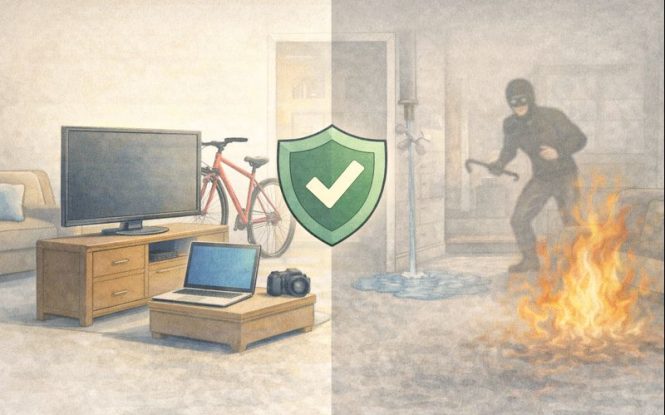

Understanding what does renters insurance cover and not cover is one of the most important steps renters can take to protect themselves financially. Many renters purchase insurance without fully understanding its scope, only discovering coverage gaps after a loss occurs. This guide provides a clear, professional breakdown of renters insurance coverage and exclusions, helping renters make informed decisions and avoid costly surprises.
Why Coverage Knowledge Matters for Renters
Renters insurance is designed to protect against common risks, but it is not unlimited. Knowing exactly what is covered—and what is excluded—allows renters to:
-
Select appropriate coverage limits
-
Add endorsements where necessary
-
Avoid misunderstandings during claims
-
Stay compliant with lease requirements
For renters, informed coverage decisions are as important as the policy itself.
What Renters Insurance Typically Covers
Renters insurance generally includes three primary areas of coverage: personal property, liability protection, and loss of use.
Personal Property Coverage
Personal property coverage protects a renter’s belongings from covered perils. This typically includes:
-
Furniture
-
Electronics
-
Clothing
-
Appliances
-
Personal items
Covered perils commonly include fire, smoke, theft, vandalism, windstorms, and certain types of water damage. In many cases, renters insurance also covers personal property outside the apartment, such as items stolen from a vehicle or while traveling.
Liability Coverage
Liability coverage protects renters from financial responsibility if they are found legally liable for injury or property damage to others. Common scenarios include:
-
A guest slipping and falling inside the apartment
-
Accidental damage to a neighbor’s unit
-
Injuries caused by a renter’s pet
Liability coverage often includes legal defense costs, making it one of the most valuable aspects of renters insurance.
Loss of Use Coverage
Loss of use coverage pays for additional living expenses if a rental unit becomes temporarily uninhabitable due to a covered event. This may include:
-
Hotel accommodations
-
Temporary rental housing
-
Increased food costs
-
Transportation expenses related to displacement
For renters, this coverage provides stability during unexpected disruptions.
What Renters Insurance Does NOT Cover
Understanding exclusions is critical when evaluating renters insurance coverage.
Damage to the Building Structure
Renters insurance does not cover damage to the physical structure of the building. Structural repairs are typically the responsibility of the landlord’s insurance policy.
Flood and Earthquake Damage
Standard renters insurance policies do not cover flood or earthquake damage. Renters in high-risk areas may need separate policies or endorsements for these risks.
Wear and Tear or Maintenance Issues
Normal wear and tear, mold from poor maintenance, and pest infestations are generally excluded from renters insurance coverage.
High-Value Items Beyond Limits
Items such as jewelry, fine art, collectibles, and expensive electronics often have sub-limits. Losses exceeding these limits may not be fully reimbursed unless additional coverage is purchased.
Intentional Acts
Intentional damage or fraudulent claims are not covered under renters insurance.
Replacement Cost vs. Actual Cash Value
One of the most overlooked coverage distinctions for renters is how claims are paid.
-
Actual Cash Value (ACV): Pays for items based on depreciated value
-
Replacement Cost Coverage: Pays the cost to replace items with new equivalents
Renters who want stronger protection should consider replacement cost coverage, even if it slightly increases premiums.
Common Coverage Gaps Renters Overlook
Many renters are surprised to learn that certain scenarios are not covered, such as:
-
Roommate property unless listed on the policy
-
Business equipment beyond basic limits
-
Certain dog breeds excluded from liability coverage
Identifying these gaps early allows renters to adjust coverage appropriately.
How Renters Can Add Coverage for Exclusions
To address coverage limitations, renters can purchase endorsements or separate policies, including:
-
Scheduled personal property endorsements
-
Flood insurance policies
-
Earthquake coverage
-
Identity theft protection
These additions allow renters to customize their insurance based on personal risk exposure.
Reading and Understanding Policy Language
Renters should carefully review policy documents, paying close attention to:
-
Definitions
-
Exclusions
-
Coverage limits
-
Deductibles
Asking insurers or agents for clarification can prevent misunderstandings during claims.
Why Understanding Coverage Affects Claim Outcomes
Claims disputes often arise from misunderstandings about what renters insurance covers and does not cover. Renters who understand their policies are better equipped to:
-
File accurate claims
-
Provide necessary documentation
-
Avoid denied or reduced payouts
Knowledge leads to smoother claims experiences.
Final Thoughts: Informed Renters Are Better Protected
So, what does renters insurance cover and not cover? In short, it provides broad protection for personal property, liability, and temporary living expenses—but it does not cover everything.
For renters in the United States, understanding both coverage and exclusions is essential for selecting the right policy. By evaluating personal risks, reviewing policy details, and adding endorsements when needed, renters can ensure their insurance truly protects their lifestyle and financial well-being.
Renters insurance is most effective when renters know exactly how it works.